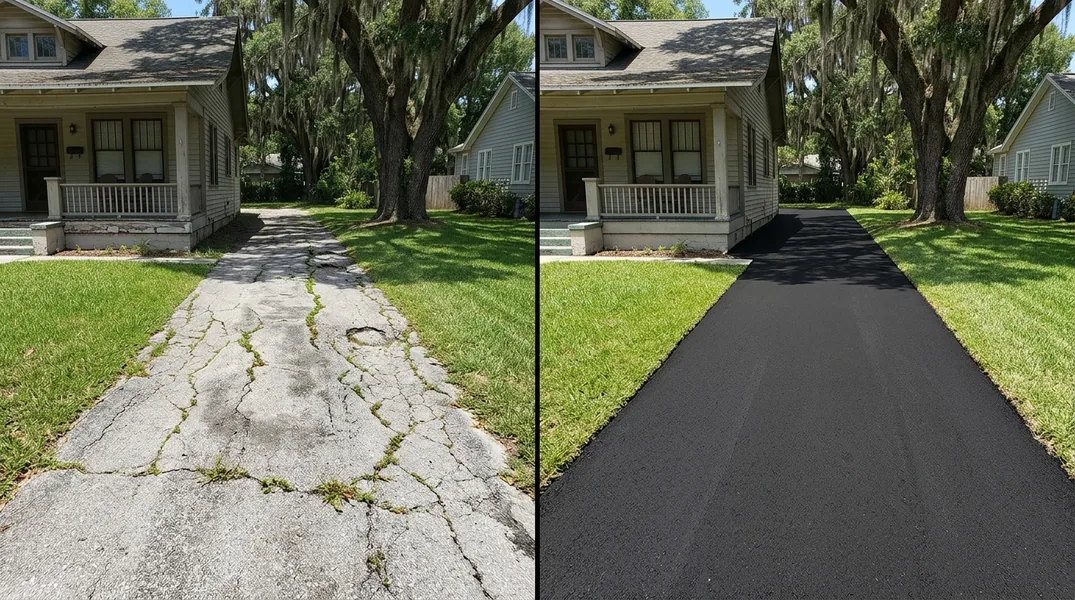
How Long for Asphalt to Cure: The Critical First Days
If you've just had Asphalt Driveway Paving & Installation completed at your Gainesville home, congratulations on your investment. Now comes the patience phase. Understanding how long for asphalt to cure is essential to protecting your new surface and avoiding costly damage before your driveway even reaches full strength.
Asphalt curing is a gradual process that happens in two stages. The initial set occurs within 24 to 48 hours after installation, when the surface becomes firm enough to walk on and handle light traffic. However, this early firmness is misleading. The asphalt is still soft and vulnerable during this period. The binder (the sticky substance that holds the aggregate together) continues to harden as it cools and loses volatile oils. Full curing typically takes 30 to 90 days, depending on weather conditions, thickness of the asphalt layer, and the specific mix design your contractor used. In warm, sunny conditions like those common in Gainesville, curing may progress faster than in cooler climates. Conversely, rainy or overcast weather can slow the process significantly.
How Long Before You Can Drive on New Asphalt: A Timeline
One of the most common questions homeowners ask is how long before you can drive on new asphalt. The answer depends on the type of traffic and the conditions. Most professional paving contractors, including Gainesville Asphalt Paving, recommend waiting at least 24 to 48 hours before allowing any vehicles on the new surface. This gives the asphalt time to set and prevents tire marks or indentations from forming in the still-soft material. Light foot traffic and normal walking are generally safe after 24 hours, but parking cars or driving on the driveway should wait until the 48-hour mark at minimum.
However, waiting 48 hours is just the beginning of the curing process, not the end. Even after you can safely drive on your new asphalt, the surface continues to harden for weeks. During the first week, limit traffic to essential use only and avoid heavy loads, sharp turns, or rapid acceleration and braking. Tires can still leave marks if the asphalt hasn't fully cured. By the end of the first week, normal driving becomes safer, but it's still wise to avoid excessive weight or aggressive maneuvers. The full 30 to 90 day curing period means your driveway will gradually become stronger and more resistant to wear. This is why patience during the early weeks pays dividends in longevity.
New Asphalt Driveway Care: Essential Steps for the First Season
Proper new asphalt driveway care during the curing period sets the foundation for a long, durable surface. The most important rule is to avoid parking in the same spot repeatedly during the first 30 days. When vehicles sit stationary on softening asphalt, they can create depressions that become permanent. If you have multiple vehicles, rotate where you park them. Similarly, avoid placing heavy objects like dumpsters, air conditioning units, or stacks of materials on the new surface for at least 30 days. These concentrated loads can cause indentations or cracking as the asphalt cures unevenly beneath them.
During the curing phase, keep your driveway clean and dry. Sweep away debris like leaves, dirt, and gravel regularly. If you notice standing water or puddles after rain, address drainage issues promptly. Water pooling on new asphalt can weaken the bond between layers and slow curing. Avoid washing your new driveway during the first two weeks, as water can penetrate the surface and interfere with the curing process. After two weeks, gentle rinsing is acceptable, but high-pressure washing should wait until full curing is complete. Additionally, keep gasoline, oil, and other petroleum products off the surface. Even though new asphalt is relatively resistant, fresh spills can leave stains and potentially soften the binder if not cleaned promptly.
One often-overlooked aspect of new asphalt care is managing expectations about appearance. New asphalt may appear slightly shiny or glossy due to the oils in the binder. This is completely normal and will fade as the surface cures and weathers. The color may also darken slightly over the first few weeks as the material settles and the top layer oxidizes. These changes are signs of healthy curing, not defects.
Seal Coating: When and How Often to Protect Your Investment
One of the most frequently asked questions about new asphalt maintenance is how often to seal driveway surfaces. The answer for new asphalt is different from established driveways. Most professionals recommend waiting 90 days to six months after installation before applying the first seal coat. This waiting period allows the asphalt to cure completely and ensures the seal coat bonds properly to the surface. Applying seal coating too early can trap moisture and interfere with the final curing stages, potentially causing adhesion problems or soft spots.
After the initial seal coat has been applied, you should plan to reapply it every two to three years, depending on traffic levels and weather exposure. In Gainesville's climate, with intense sun, occasional heavy rains, and temperature fluctuations, seal coating becomes even more critical. The UV rays and moisture are the primary enemies of asphalt longevity. Regular seal coating protects against oxidation, reduces water penetration, and extends the life of your driveway by five to ten years or more. It also maintains the rich black color that makes new asphalt look attractive. If you're unsure whether your driveway needs seal coating, contact Gainesville Asphalt Paving at (352) 450-6164 for a professional assessment. We can evaluate your specific driveway and recommend a maintenance schedule tailored to your needs.
Summer Heat and Your New Asphalt: What to Expect
The first summer after asphalt installation can be challenging for your new driveway, especially in Florida's hot climate. Temperatures regularly exceed 90 degrees Fahrenheit, and the intense UV radiation accelerates the curing process but also begins the weathering process. During this period, you may notice the asphalt becoming slightly softer on extremely hot days. This is normal and temporary. The material will re-harden as temperatures cool in the evening. However, this cycle of softening and hardening can stress the asphalt, so it's even more important to avoid heavy loads and prolonged parking in the same spot during summer months.
Heat-related issues like bleeding or rutting can occur if the asphalt wasn't properly designed for your climate or if it's subjected to excessive stress during summer. Bleeding occurs when the binder rises to the surface, creating a glossy, sticky appearance. Rutting is the formation of depressions along tire paths. Both conditions are typically preventable with proper installation and care. If you notice either of these issues developing, contact a professional immediately. Early intervention with Pothole Repair & Asphalt Patching or Asphalt Resurfacing & Overlay services can prevent small problems from becoming major repairs.
To protect your new driveway during the first summer, park vehicles in shaded areas whenever possible, wash your driveway regularly to remove dirt and debris that absorb heat, and ensure proper drainage so water doesn't pool and create weak spots. If you have concerns about how your new asphalt is performing during summer, don't hesitate to reach out to Gainesville Asphalt Paving for expert guidance.
When to Call a Professional: Maintenance and Repairs
Even with excellent care during the curing period and first summer, you may encounter issues that require professional attention. Small cracks, minor surface damage, or areas where the asphalt seems softer than others can develop for various reasons. If you notice any of these problems, it's better to address them early rather than wait for them to worsen. Professional contractors can assess whether issues are normal settling and curing variations or signs of deeper problems that need correction.
Gainesville Asphalt Paving recommends a professional inspection at the one-year mark after installation. This inspection can identify any issues that developed during the critical first year and establish a long-term maintenance plan. Whether you need seal coating, minor repairs, or just expert advice on caring for your driveway, our team is here to help. We understand the unique challenges that asphalt faces in the Gainesville area and can provide customized recommendations. Contact us at (352) 450-6164 or request a free estimate to discuss your driveway's specific needs and get a personalized maintenance schedule that will keep your investment looking great for years to come.
Looking for a professional asphalt paving contractor in Gainesville? Gainesville Asphalt Paving responds fast for all your asphalt paving needs.
Get a Free Quote